

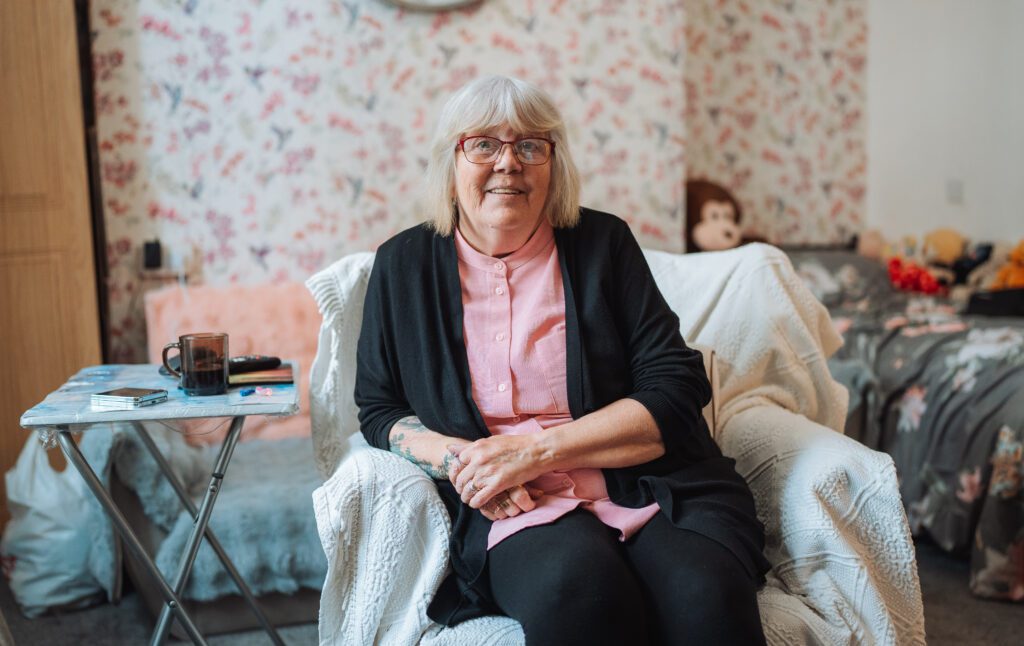
Healthy Ageing: Key Strategies for Independent Living
As we age, maintaining our health becomes increasingly important to ensure that we can continue to live independently and enjoy a high quality of life. At Plymouth Charity Trust, we are dedicated to supporting individuals in their quest for independent living for as long as possible. One of the most effective ways to achieve this is by focusing on healthy ageing. In this blog post, we will explore essential strategies for staying healthy and active as we age, empowering you to embrace life with vitality and confidence.
1. Prioritise Physical Activity
Regular physical activity is a cornerstone of healthy ageing. It helps maintain mobility, strength, balance, and coordination, all of which are crucial for independent living. Engaging in activities such as walking, swimming, yoga, or tai chi can improve cardiovascular health, muscle strength, and flexibility. Aim for at least 150 minutes of moderate-intensity exercise each week, and include muscle-strengthening activities on two or more days per week.
2. Eat a Balanced Diet
Nutrition plays a vital role in maintaining overall health and preventing chronic diseases. As we age, our nutritional needs change, so it’s important to eat a balanced diet rich in fruits, vegetables, whole grains, lean proteins, and healthy fats. Focus on nutrient- dense foods that provide essential vitamins and minerals, such as calcium and vitamin D for bone health, and fibre for digestive health. Staying hydrated is equally important, so make sure to drink plenty of water throughout the day.
3. Stay Mentally Active
Cognitive health is just as important as physical health when it comes to independent living. Keeping your mind active can help reduce the risk of cognitive decline and improve overall mental well-being. Engage in activities that challenge your brain, such as puzzles, reading, learning a new skill or language, and playing musical instruments. Social interactions also play a crucial role in mental health, so stay connected with family and friends, and consider joining clubs or groups that interest you.
4. Prioritise Preventive Healthcare
Regular check-ups and screenings are essential for early detection and management of health conditions. Schedule routine visits with your healthcare provider to monitor your blood pressure, cholesterol levels, vision, and hearing. Stay up-to-date with vaccinations and preventive screenings such as mammograms, colonoscopies, and bone density tests. Discuss any concerns or changes in your health with your doctor to ensure timely and appropriate care.
5. Manage Stress and Mental Health
Mental health is a key component of healthy ageing. Chronic stress can have detrimental effects on both physical and mental well-being. Practice stress management techniques such as mindfulness meditation, deep breathing exercises, and progressive muscle relaxation. Engage in activities that bring you joy and relaxation, whether it’s gardening, painting, or spending time with loved ones. If you experience symptoms of anxiety or depression, seek support from a mental health professional.
6. Get Enough Sleep
Quality sleep is essential for overall health and well-being. As we age, sleep patterns may change, but it remains important to get 7-9 hours of sleep per night. Create a restful sleep environment by keeping your bedroom cool, dark, and quiet. Establish a regular sleep routine by going to bed and waking up at the same time each day. Avoid caffeine and electronic devices before bedtime, and consider a relaxing pre-sleep ritual, such as reading or listening to soothing music.
7. Maintain Social Connections
Social engagement is vital for emotional well-being and can have a positive impact on physical health. Staying socially active helps prevent feelings of loneliness and isolation, which can contribute to depression and cognitive decline. Make an effort to maintain and build relationships with family, friends, and neighbours. Participate in community events, volunteer opportunities, and social clubs. Technology can also be a great tool to stay connected with loved ones, especially if mobility is a challenge.
8. Keep a Positive Attitude
A positive outlook on life can significantly impact your overall health and longevity. Embrace ageing as a natural part of life and focus on the opportunities it brings rather than the limitations. Practising gratitude, setting realistic goals, and celebrating small achievements can help maintain a positive attitude. Surround yourself with supportive and optimistic people who encourage and inspire you.
9. Foster a Safe Living Environment
Creating a safe home environment is crucial for preventing accidents and injuries, which can compromise independence. Ensure your living space is well-lit and free of hazards such as loose rugs or clutter. Install grab bars in the bathroom, use non-slip mats, and consider using assistive devices if needed. Regularly review and update your home safety measures to accommodate any changes in your mobility or health status.
Healthy ageing is about more than just adding years to life; it’s about adding life to years. By prioritising physical activity, eating a balanced diet, staying mentally active, and fostering social connections, you can maintain your independence and enjoy a
fulfilling life as you age. At Plymouth Charity Trust we are here to support you every step of the way. Together, we can embrace the journey of ageing with confidence, vitality, and joy.
For more information on our services and how we can help you achieve healthy ageing and independent living, visit our website or contact us today.