

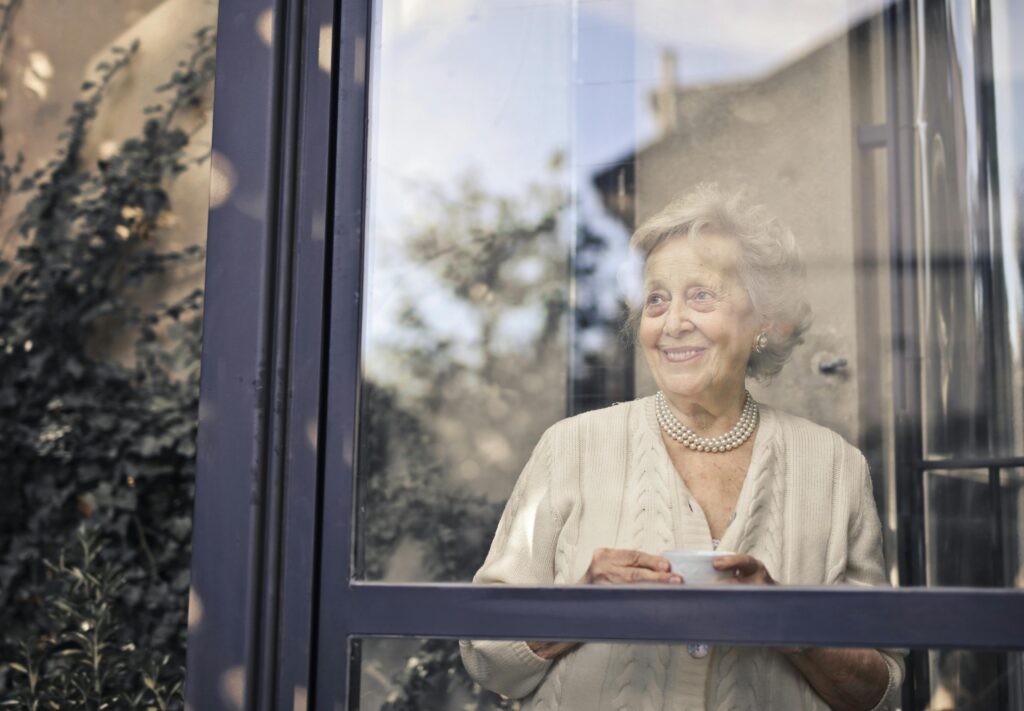
Keeping Safe in the Sun
Plan Wisely
- Avoid sitting out during peak hours: Take walks or do activities in the early morning or evening—between 11am and 3pm is the hottest part of the day
- Stay shaded: If you must be out, opt for shaded areas.
Dress for Comfort
- Choose loose, light-coloured cotton clothing, which cools you more efficiently than dark or synthetic fabrics.
- Wear a wide-brimmed hat and sunglasses with UV protection (look for CE and UV400 labels)
Sun Protection & Hydration
- Apply broad-spectrum SPF 30+ sunscreen, and don’t forget often-missed spots, like the top of the head
- Bring a water bottle and drink regularly, even if you’re not thirsty take little sips. Avoid alcohol and limit caffeine, as these can dehydrate.
Home Comforts
- Keep blinds/curtains closed during the day, and open windows early morning or late evening to cool your home.
- Use a damp cloth on your neck or take a cool shower instead of relying on fans which can be expensive to run.
- Store medications below 25 °C – consider cooling them in the fridge on very hot days.( Always check with your GP first)
Recognise & Respond to Heat Illness
- Dehydration/Overheating signs: muscle cramps, confusion, tiredness, dark urine.
- Heat exhaustion: headache, dizziness, nausea, heavy sweating, fast pulse. If symptoms appear, move to a cool place, drink fluids, and cool with water. These should improve in ~30 minutes; if not, call NHS 111.
- Heatstroke (emergency): confusion, seizures, loss of consciousness. Call 999 immediately and cool the person—do not give fluids to the unconscious.
Stay Connected
- Check-in with neighbours, family or carers, especially during heat waves. Encourage mutual checks-in for safety .
Enjoy Sun-Healthy Activities
- Plan gentle outdoor activities like early evening strolls in shaded parks.
- Opt for hydrating snacks (fruits, salads, yogurt) to boost fluid intake.
- If your home feels too wam, visit public cool spaces like libraries or community centres.